

OUR SERVICES
The right repair.
Starts with the detail.
From a scuffed bumper to accident damage, understand the options and what the workshop needs to assess your vehicle.
Not sure where to start?BODYWORK / PAINTWORK / FINISHING

SERVICE 01
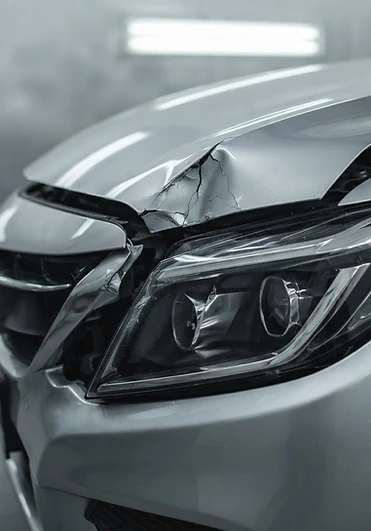
Crash Damage
Bodywork repairs following an accident. Tell us which areas of your vehicle are damaged so the workshop can discuss repair options and the next step.
Give the workshop the full picture
Accident damage can involve more than the first mark you see. Include which panels were affected, how the impact happened and whether any gaps, lights or fittings have changed. Do not assume a vehicle is safe to drive because damage looks cosmetic.
- A wider view of each affected side
- Close-ups of panel edges and visible damage
- Any concerns about driving or moving the vehicle

SERVICE 02
Bumper Repairs
Repairs for damaged bumpers. Send photographs of the affected area and tell us what happened so the workshop can discuss suitable repair options.
Scuffs, scratches or something deeper?
A bumper may have surface marks, cracked material or damage around its fixings. The repair options depend on the material and condition, not just the size of the mark. Photographs from different angles help distinguish surface damage from changes in shape.
- Front or rear bumper and the affected corner
- Any cracks, loose sections or parking sensors nearby
- Whether the paint is marked or missing


SERVICE 03
Calliper Painting
Refresh the appearance of your brake callipers with a painted finish. Contact the workshop to discuss your preferred colour and vehicle requirements.
Plan the finish around your vehicle
A painted calliper finish changes the appearance behind the wheel. Tell the workshop your preferred colour and which callipers you want to discuss. This is a cosmetic enquiry, not a substitute for investigating brake wear, noise or a braking fault.
- Vehicle make, model and wheel style
- Your preferred colour or finish
- The current condition of the callipers


SERVICE 04
Colour Coding
Colour coding for vehicle bodywork and trim. Tell the workshop which panels or parts you would like to discuss and the finish you have in mind.
Bring the details together
Colour coding starts with identifying the parts and the result you have in mind. Different plastics, trims and existing coatings may need different preparation. Discuss the material, finish and colour with the workshop before deciding on the work.
- The trim pieces or panels you want changed
- Body-colour matching or a contrasting finish
- Photographs of the current surface


SERVICE 05
Paintless Dent Removal
Paintless dent removal for suitable vehicle dents. Send photographs of the affected area so the workshop can discuss whether this approach is appropriate.
The paint and panel both matter
Paintless dent removal aims to reshape suitable dents without repainting the panel. Access, metal stretch, creases and the condition of the paint all affect suitability. A dent near an edge or on a body line can require a closer assessment.
- The position and approximate size of the dent
- Whether the paint is cracked or scratched
- An angled photograph showing the reflection

SERVICE 06
All Body Work
Discuss bodywork damage and general repair requirements with Prime Body Repairs. Send details of the affected areas so the workshop can advise on the next step.
Start with the areas that need attention
For general bodywork or several affected panels, explain each area separately. Scratches, dents, damaged paint and previous repairs can need different approaches. A wider view of the vehicle helps the workshop understand how the work fits together.
- Which panels or areas are affected
- Any previous repair or paintwork you know about
- Your priorities for the finished result
GOOD TO KNOW
Before we
get started.
Practical answers to help you prepare your enquiry and understand what happens next.
Can you give me a price from photographs?
Photographs help the workshop understand the visible damage and discuss options. They cannot always show hidden damage, access behind a panel or the condition of the existing finish. An inspection may be needed before a repair approach and price can be confirmed.
What photographs should I send?
Start with a wider view showing where the damage is on the car, then a clear close-up and a second angle. Daylight and a clean, dry panel can make dents and scratches easier to see. Only take photographs where it is safe to do so.
Is paintless dent removal suitable for every dent?
No. Suitability depends on the size and shape of the dent, its position, access behind the panel and the condition of the paint. Cracked paint or stretched metal may call for a different approach. The workshop will assess the options.
How long will the repair take?
Timing depends on the extent of the damage, the repair process, parts availability and workshop scheduling. Discuss the likely timescale once your vehicle has been assessed, and arrange a date directly with the workshop.
Does submitting an enquiry book my car in?
No. The form sends an enquiry only; it does not reserve a date or time. The workshop will contact you to discuss the repair, provide an estimate and arrange a suitable visit. Please wait for confirmation before attending. No online payment is taken.
Can I enquire without photographs?
Yes. Photographs are optional. Describe the affected panels, how the damage happened and anything you have noticed about the paint or panel shape. If you are unsure which service to choose, select Other / Not sure.